
Diwali in India: the festival of lights, ancient legends, family traditions and new beginnings
2026. 11. 08.
If we compare Diwali to a familiar Western holiday, Christmas is probably the closest match. Families come together, decorate their homes, prepare special meals, exchange gifts and fill their surroundings with festive lights. In India, however, small oil lamps take the place of Christmas trees, while traditional Christmas treats give way to Indian sweets flavoured with cardamom, saffron and rose water. Diwali is one of India's most important celebrations, eagerly anticipated by millions of families every year.
Diwali in India: the festival of lights, ancient legends, family traditions and new beginnings
Known as the festival of lights, Diwali symbolises the triumph of good over evil and light over darkness. Rooted in ancient Hindu legends, many of its customs remain an important part of everyday life in India. Alongside religious rituals, the celebration centers on family gatherings, hospitality, gift-giving and shared meals. Much like Christmas in Western cultures, Diwali brings with it familiar aromas, favourite foods and cherished childhood memories.
Why do Indian families light oil lamps during Diwali?
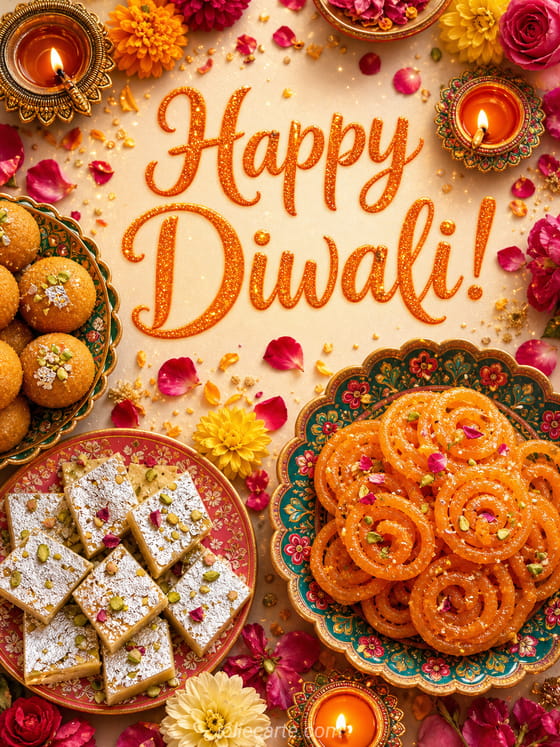
The name Diwali comes from the Sanskrit word Deepavali, meaning "a row of lights". It refers to the small, traditionally clay oil lamps that families place around their homes during the festival. Known as diyas, these lamps were traditionally filled with oil or ghee (clarified butter) and lit using cotton wicks.
Light holds profound significance in Hindu philosophy. It represents knowledge, purity, life and goodness. Lighting a diya symbolises the victory of light over darkness, as well as hope and new beginnings. This theme appears throughout the different legends associated with the festival, although the events commemorated vary across India's regions.
In North India, one of the best-known explanations comes from the ancient epic, the Ramayana. According to the story, Prince Rama spent fourteen years in exile after being forced to leave his home city of Ayodhya. Together with his wife Sita and his brother Lakshmana, he faced numerous trials before eventually defeating Ravana, the demon king who had abducted Sita.
When Rama finally returned to Ayodhya, the city's inhabitants lit countless oil lamps along the streets to celebrate his homecoming. According to legend, this is where the tradition of lighting lamps during Diwali originated, a custom that remains central to the festival today.
Elsewhere in India, greater emphasis is placed on Lord Krishna's victory over the demon Narakasura or on the worship of Lakshmi, the goddess of prosperity. Although these stories differ, they share themes of restoring balance, overcoming adversity and welcoming a more fortunate future.
Preparations begin weeks before the festival
Anyone who has visited India in the weeks leading up to a major festival will know how dramatically the markets change. Shopkeepers prepare special displays, stock up on goods and offer festive promotions. Textile shops fill with customers choosing brightly coloured sarees, kurtas and occasion wear, while sweet shops begin preparing their elaborate gift boxes.
At home, the preparations start with a thorough cleaning. Many families repaint their walls, put up new curtains or replace old household items. Cleanliness also carries religious significance, as Hindu tradition holds that the goddess Lakshmi favours homes that are clean, orderly and carefully prepared for her arrival.
People often decorate doors and windows with marigold garlands. At the entrances to homes, colorful patterns called rangoli appear, created from rice flour, coloured powder, sand or flower petals. Their geometric designs, floral motifs, and symmetrical patterns serve as both decoration and symbols of welcome and good fortune. Making rangoli is often a family activity, with children joining in the preparations.
Diwali traditionally lasts five days, though local customs and the significance of each day vary by region. The opening celebration, Dhanteras, is particularly important to merchants and those who wish to mark a prosperous new beginning by purchasing something new. Gold, silver and kitchen utensils are popular purchases at this time.
The following days involve purification rituals, family visits, religious offerings and shared meals. Towards the end of the festival, many communities also celebrate the bond between brothers and sisters. During Bhai Dooj, sisters offer blessings and good wishes to their brothers, who often respond with gifts as a gesture of affection and gratitude.
Lakshmi's evening: a celebration of prosperity and good fortune
On the main day of the festival, many Hindu families perform a ceremony in honour of Lakshmi, the goddess of prosperity. Known as Lakshmi Puja, this ritual usually takes place in the evening, when the home has been decorated and flowers, fruit, sweets and oil lamps have been arranged on the family altar.
Lakshmi is commonly depicted seated on a lotus flower, often with four arms and dressed in richly ornamented clothing. In Hindu iconography, the lotus represents purity and spiritual growth, while the gold coins flowing from the goddess's hands symbolise prosperity. Worshipping Lakshmi, however, is not solely concerned with material wealth. It is also associated with good fortune, harmony and the well-being of the family.
During the ceremony, family members recite prayers, offer flowers and light the lamps arranged around the altar. In many homes, prayers are also offered to Ganesha, the elephant-headed deity associated with wisdom, auspicious beginnings and the removal of obstacles.
For some merchant families, this period marks the beginning of a new business year. In Gujarat in particular, it is customary to open new account books and seek blessings for the coming year's work and business activities. Religious tradition is therefore closely connected to everyday commercial life.
Diwali's date is determined by the Hindu lunar calendar, so it changes each year on the Gregorian calendar. The festival usually falls in October or November. In 2026, the main celebration takes place on 8 November.
What do people eat during Diwali? Traditional festive dishes
It is hard to talk about Indian celebrations without eventually turning to food. During Diwali, cooking, hospitality, and exchanging sweets play an especially important role. Families often pass down recipes through generations, and some delicacies are prepared specifically for the occasion. Indian sweet shops, known as mithai shops, experience one of their busiest periods of the year.
Among the best-known festive sweets is gulab jamun, made from soft, golden-brown balls of milk-based dough that are fried and then soaked in sugar syrup flavoured with cardamom or rose water. Barfi is another popular treat, available in countless varieties made with ingredients such as milk, coconut, pistachios or cashews. Laddu is a round sweet often prepared with chickpea flour, ghee and sugar, while jalebi consists of crisp, spiral-shaped pieces of fried batter soaked in sweet syrup.
Savory dishes are, of course, equally important at the festive table. In North India, meals often include spiced vegetable dishes, paneer preparations (fresh Indian cheese), different varieties of dal, and freshly baked breads. A rich, creamy curry, fragrant pulao or freshly fried puri may all be part of a family celebration alongside traditional sweets. The exact menu depends largely on the region, family traditions and dietary customs.
Sharing food also has considerable social significance. Offering food is a fundamental expression of Indian hospitality, and guests visiting during the festival can almost always expect a homemade treat. Beautifully packaged sweets are among the most popular ways of conveying festive wishes. Food thus plays an important role in maintaining relationships: a box of fresh laddu or cashew barfi is both a gift and a thoughtful gesture.
One festival, many different traditions
Given India's size and cultural diversity, there is no single way to celebrate Diwali across the country. While Rama's return and the worship of Lakshmi are central to celebrations in the north, many communities in South India commemorate Lord Krishna's victory over the demon Narakasura. Here, celebrations often begin before sunrise. Family members take a traditional oil bath, dress in new clothes, and enjoy a festive breakfast together.
In Western India, particularly Gujarat, the festival also marks an important turning point in commercial life. Many business owners begin their new financial year at this time, formally opening new accounting records through a special ceremony. In Maharashtra, families often prepare faral, an assortment of sweet and savoury, crunchy snacks that they share with visitors.
In West Bengal, Kali Puja takes center stage. Worship of the goddess Kali gives the occasion a different religious emphasis than rituals dedicated to Lakshmi. Offerings are made before images of the goddess in towns and villages, and temples may welcome worshippers throughout the night.
The festive period also holds significance for other religious communities. Jains commemorate Mahavira's spiritual liberation, while Sikhs celebrate Bandi Chhor Divas, which marks the release of Guru Hargobind from imprisonment. In Amritsar, the Golden Temple is spectacularly illuminated, with its lights reflected in the sacred pool surrounding the building.
These regional differences reveal the extraordinary variety of traditions that coexist in India. Different religious interpretations, local foods, and family rituals all contribute to the country's rich and fascinating cultural heritage.
Modern India and the changing traditions of the festival of lights
Visitors travelling to India during Diwali can expect spectacular celebrations in the cities. Jaipur's historic shopping streets are decorated with strings of lights, Delhi's markets fill with people buying gifts, and oil lamps along the banks of the Ganges create a distinctive atmosphere in Varanasi. With so many people travelling to visit their families, trains, flights and roads can also be considerably busier than usual.
The festival also reflects changes taking place in Indian society. Firecrackers and fireworks have long been part of the celebrations, but concerns about air pollution and noise have led to restrictions in an increasing number of cities. Many families now consciously choose quieter ways to celebrate, placing greater emphasis on traditional oil lamps, floral decorations and activities shared with loved ones.
Old customs continue alongside modern decorations, electric fairy lights and elaborate shopfront displays. Hand-painted clay lamps remain popular, and many people still make rangoli patterns themselves, even in modern urban environments.
Another interesting aspect of Diwali is that people now celebrate it far beyond India's borders. In London, Singapore, Kuala Lumpur and many other cities, communities of Indian origin organise public celebrations, cultural events and community gatherings. For people whose families have lived outside India for generations, the festival can provide an important connection to their cultural roots.
Celebrate Diwali at Taj Mahal with a special menu for two
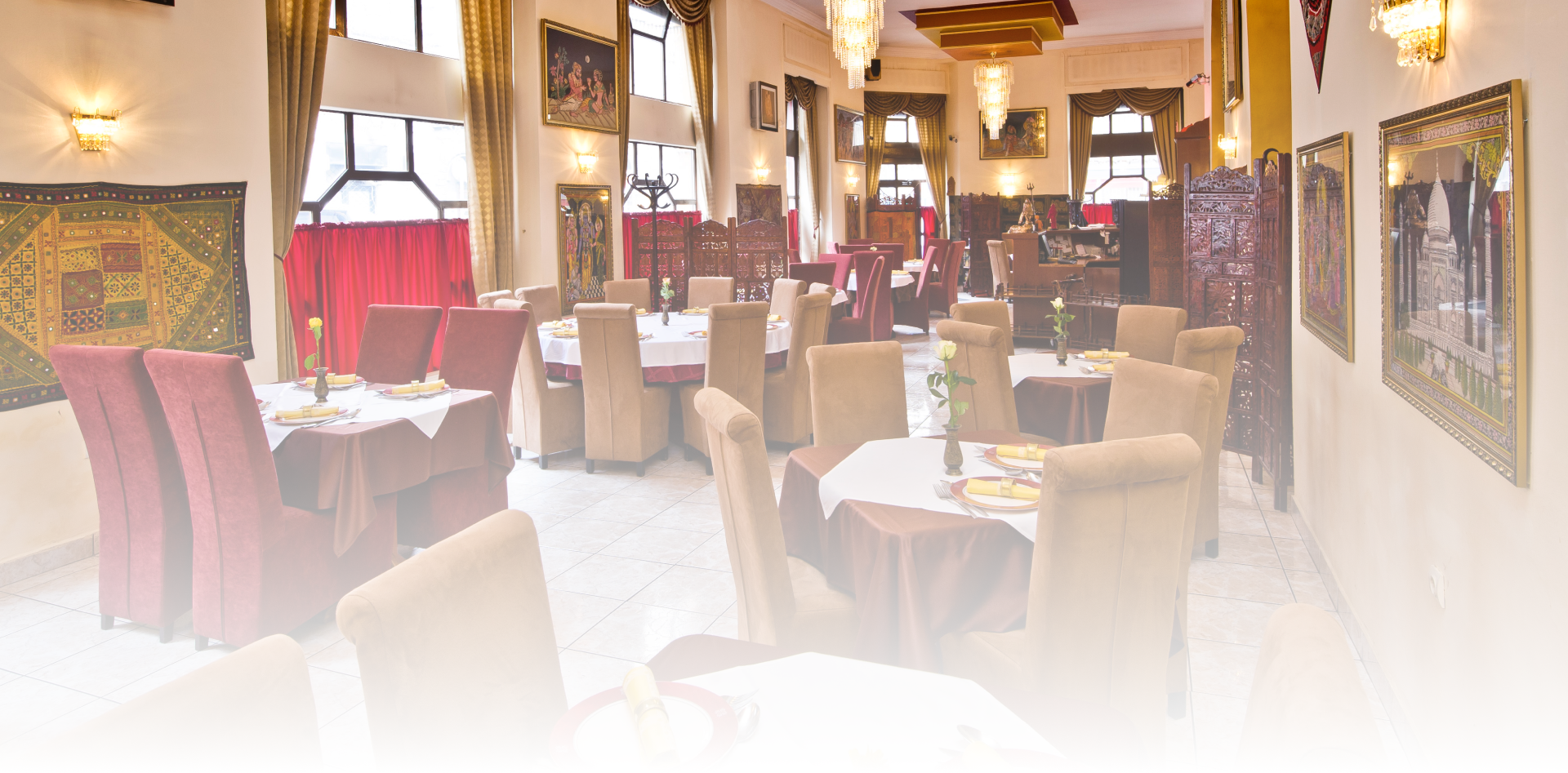
To mark Diwali, Taj Mahal Indian Restaurant in Budapest has created a special festive menu for two, bringing together a variety of flavours from Indian cuisine. The starters include potatoes stuffed with Indian cheese and vegetables, cooked in a traditional tandoor oven, spinach-based Hara Bhara Kebab and tender pieces of lamb marinated in aromatic spices and grilled.
The main courses feature Chicken Do Piaza, slowly cooked with onions and spices; Malai Kofta, delicate fried Indian cheese dumplings served in a creamy cashew sauce; and Brinjal Bharta, a richly spiced preparation of grilled aubergine. These dishes come with Kashmiri fruit-filled flatbread and fragrant basmati rice. The meal concludes with jalebi, one of India's traditional festive sweets, served with cardamom-flavoured rabri cream.
The Diwali menu for two is priced at HUF 16,500. If you would like to experience the flavours of India's festival of lights, reserve a table at Taj Mahal Indian Restaurant and enjoy this specially created festive menu.